

Becoming a chef is one of the most popular career choices for those who are passionate about food and creativity. Today, there are more flexible ways than ever to enter the culinary industry, from short cooking courses to full professional programs.
In Bangkok, the growing food scene and international culinary influence make it an ideal place to start. Whether you are a complete beginner or planning a career change, understanding how to become a chef can help you move forward with confidence.
What to Study to Become a Chef
If you are searching for how to become a chef, the first step is to focus on the right foundation. Professional cooking requires both technical skills and consistency in execution.
Most aspiring chefs begin by learning a few core areas:
- Basic kitchen techniques and knife skills
- Cooking methods such as grilling, roasting, and sautéing
- International cuisines, especially French cooking
- Food safety and kitchen hygiene
- Plating and presentation
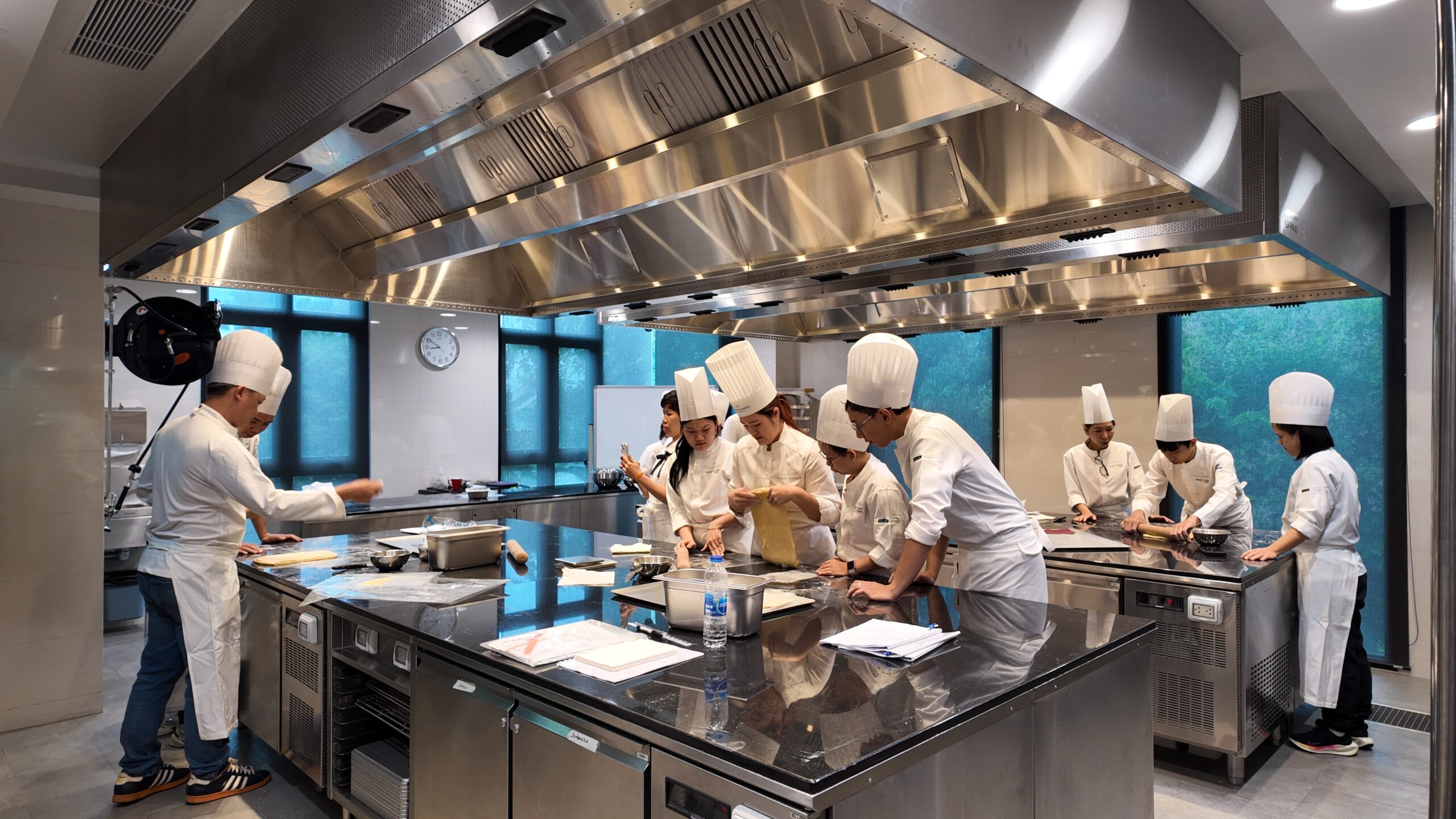
These skills are essential because they form the base of all professional cooking. Many students choose to build this foundation through a structured program at institutions like École Ducasse Nai Lert Bangkok Studio, where they can practice in a real kitchen environment through professionally designed cooking classes in Bangkok.
Do You Need Culinary School?
A common question is whether culinary school in Bangkok is necessary. While some chefs learn entirely on the job, formal training can significantly speed up the learning process.
Studying in a professional setting helps you understand how a real kitchen operates, from workflow and timing to teamwork and precision. It also reduces the trial-and-error phase, allowing you to gain confidence much faster.
For those who want to take cooking seriously, enrolling in a cooking class in Bangkok is often the most efficient starting point, especially with hands-on programs designed for beginners and aspiring professionals.
Short Courses vs Full Culinary Programs
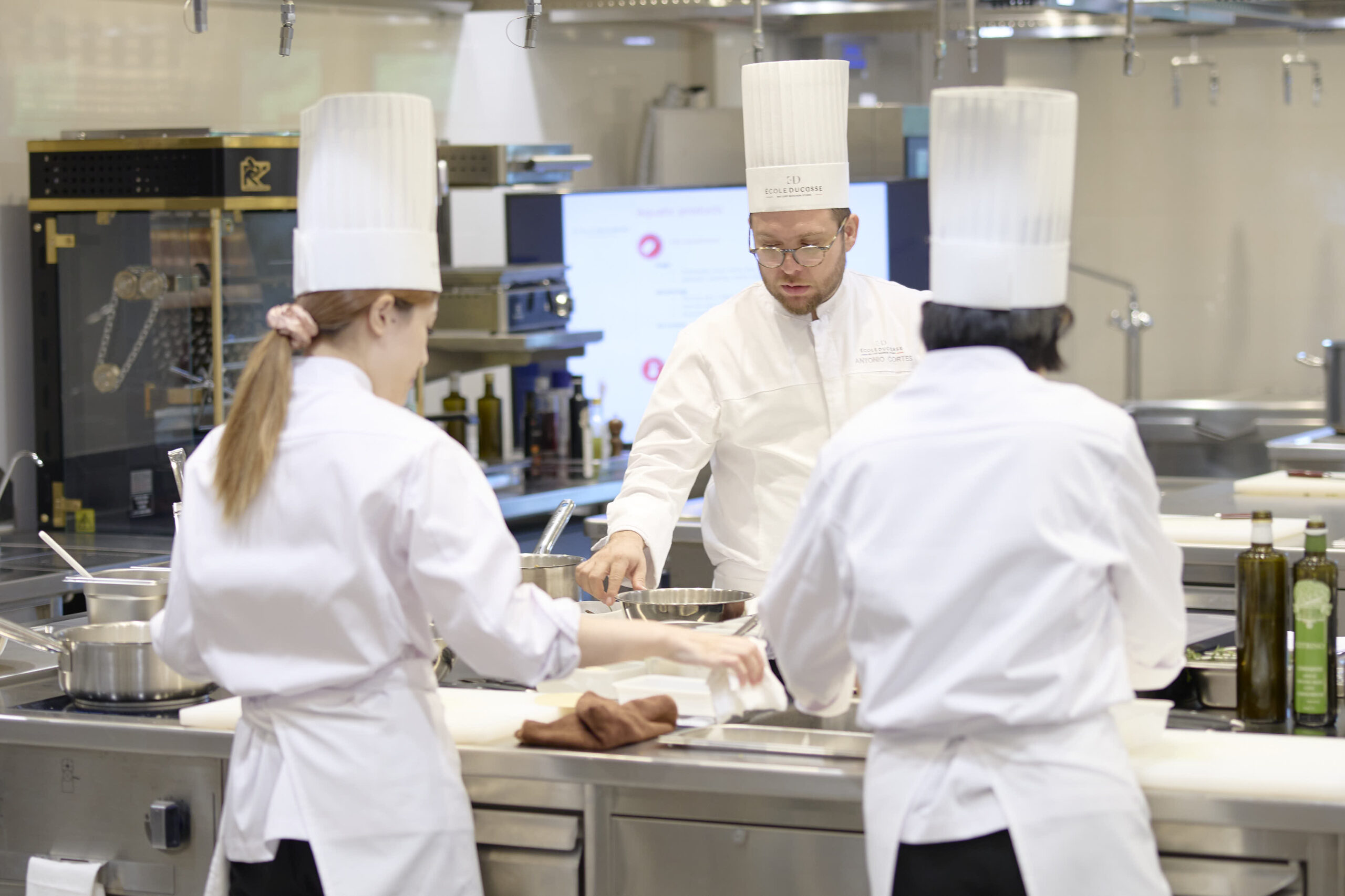
Short cooking courses have become increasingly popular, especially among beginners and career switchers. In Bangkok, learners can choose from a variety of Short Classes, which focus on hands-on training and practical skills that can be applied immediately.
For those looking for a more in-depth and structured learning experience, Extended Classes offer a longer format that allows students to develop professional techniques, improve consistency, and gain a deeper understanding of kitchen operations.
Both Short Classes and Extended Classes are available at institutions like École Ducasse Nai Lert Bangkok Studio, giving students the flexibility to choose a path that matches their goals, whether they are exploring a new passion or preparing for a professional culinary career.
Top Recommended Culinary Schools & Cooking Classes in Bangkok
Bangkok has become a hub for quality culinary education, offering everything from casual short courses to intensive professional diplomas. One of the most prestigious options is École Ducasse Nai Lert Bangkok Studio, the first international studio of the world-renowned École Ducasse outside France.
At École Ducasse Bangkok, you can choose from:
- Short Cooking Classes and Short Pastry & Bakery Classes perfect for beginners who want to learn French techniques in just a few hours or a weekend.
- Extended & Intensive Programs including Culinary Arts Diploma (full-time, several months) for those aiming for a professional career.
- Specialized classes in modern French cuisine, bakery for coffeeshop setup, pastry classic & contemporary.
The school emphasizes hands-on training in a professional kitchen environment, taught by experienced chefs. Its location in the heart of Bangkok (Nai Lert area) also allows students to blend French culinary excellence with Thailand’s rich ingredients and food culture.
Other notable places in Bangkok include various cooking schools focusing on Thai, international, or fusion cuisine, but École Ducasse stands out for those who want globally recognized standards.
Chef Career Path Explained
The chef’s career path typically follows a structured progression, starting from entry-level roles and moving toward leadership positions. While each journey is different, most professionals move through similar stages:
- Commis, where you learn basic preparation and kitchen discipline
- Chef de Partie, where you manage a specific station
- Sous Chef, where you assist in managing kitchen operations
- Head Chef, where you lead the kitchen and develop menus
This progression requires time, consistency, and continuous skill development
How to Choose the Right Culinary Course in Bangkok
| Key Factors | What to Consider | Recommendation |
| Learning Goals | Are you learning for a hobby or a professional career? | If you aim to become a chef, consider Extended Programs or a Diploma |
| Time Commitment | How much time can you dedicate to learning? | Choose Short Courses for limited time, or longer programs for deeper learning |
| Budget | Tuition fees and additional costs | Plan your budget carefully, especially for long-term programs |
| Learning Style | Theory-based or hands-on training | Select courses with strong hands-on practice for real skill development |
| Cuisine Focus | Type of cuisine you are interested in (e.g., French, Thai, Bakery) | Choose a school that specializes in your preferred cuisine |
| Institution Reputation | Credibility and teaching standards | opt for internationally recognized or well-established institutions |
| Career Opportunities | Certification, internship, or career support | Important for those planning to work in the culinary industry |
Conclusion
Becoming a chef requires more than passion; it requires the right training, consistent practice, and a clear learning path. Whether you begin with a short cooking course or commit to a full professional program, taking the first step is what matters most.
With the wide range of cooking classes in Bangkok available today, aspiring chefs have everything they need to turn their interest in cooking into a long-term career.