


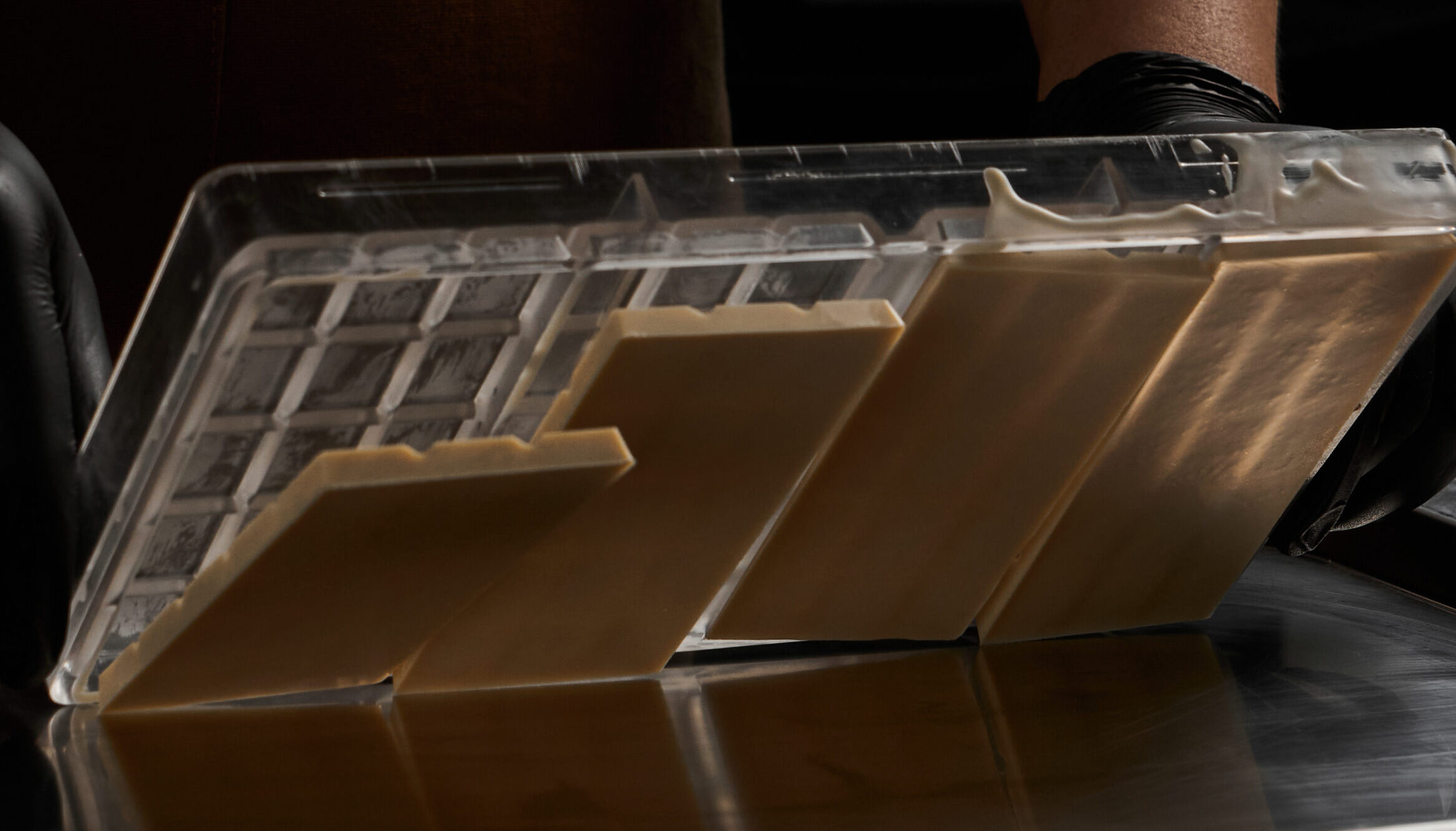
Chocolate is one of the most technically demanding ingredients in the pastry kitchen. The difference between a dull truffle and one with a proper snap, a glossy shell, and a filling that melts cleanly comes down to precision, the right temperature, the right technique, and practice under someone who knows what they are doing. At École Ducasse Nai Lert Bangkok Studio, our chocolate program provides exactly that environment: professional-grade facilities, instructors trained in the Alain Ducasse tradition, and the kind of hands-on time that actually builds skill. If you’re looking for a chocolate making class in Bangkok, you’ll learn techniques used in professional pastry kitchens rather than simplified home methods.
Three chocolate classes are available, from a focused single-day introduction to a full five-day intensive programme. Whether you’re looking for a chocolate course in Bangkok, a 2 days Chocolate Bean to Bar, or short introductory workshop, each one is grounded in the same standards that define French confectionery, and each leaves you with creations you made yourself.
From Ganache to Pralines: The Techniques That Separate Good Chocolate from Great
Before choosing a course, it helps to understand what the craft actually involves. The foundation of any serious chocolate making class is tempering the process of heating and cooling chocolate to align its cocoa butter crystals. Done correctly, it produces a finish that shines, snaps, and releases cleanly from a mould. Done incorrectly, the result is chocolate that blooms, streaks, or turns dull within hours.
Beyond tempering, the techniques taught across our courses include:
- Ganache – the ratio of cream to chocolate, flavour infusion methods, and achieving the right texture for truffles, fillings, and enrobed pieces
- Pralines – grinding, caramelising, and building layers of flavour with nuts and sugar
- Moulded bonbons – working with polycarbonate moulds, creating clean shells, filling, and sealing
- Bean-to-bar fundamentals – understanding how origin, fermentation, and roasting shape the chocolate before it ever reaches the kitchen
Confectionery decoration – presentation techniques for a professional finish
These are not shortcuts or simplified versions. The curriculum at École Ducasse Nai Lert Bangkok Studio reflects the standards taught at the school’s Paris programmes adapted for our studio setting, with small class sizes that allow direct attention from the chef instructor. Every chocolate workshop Bangkok is designed to prioritise practical experience, precision, and direct guidance from professional chef instructors.
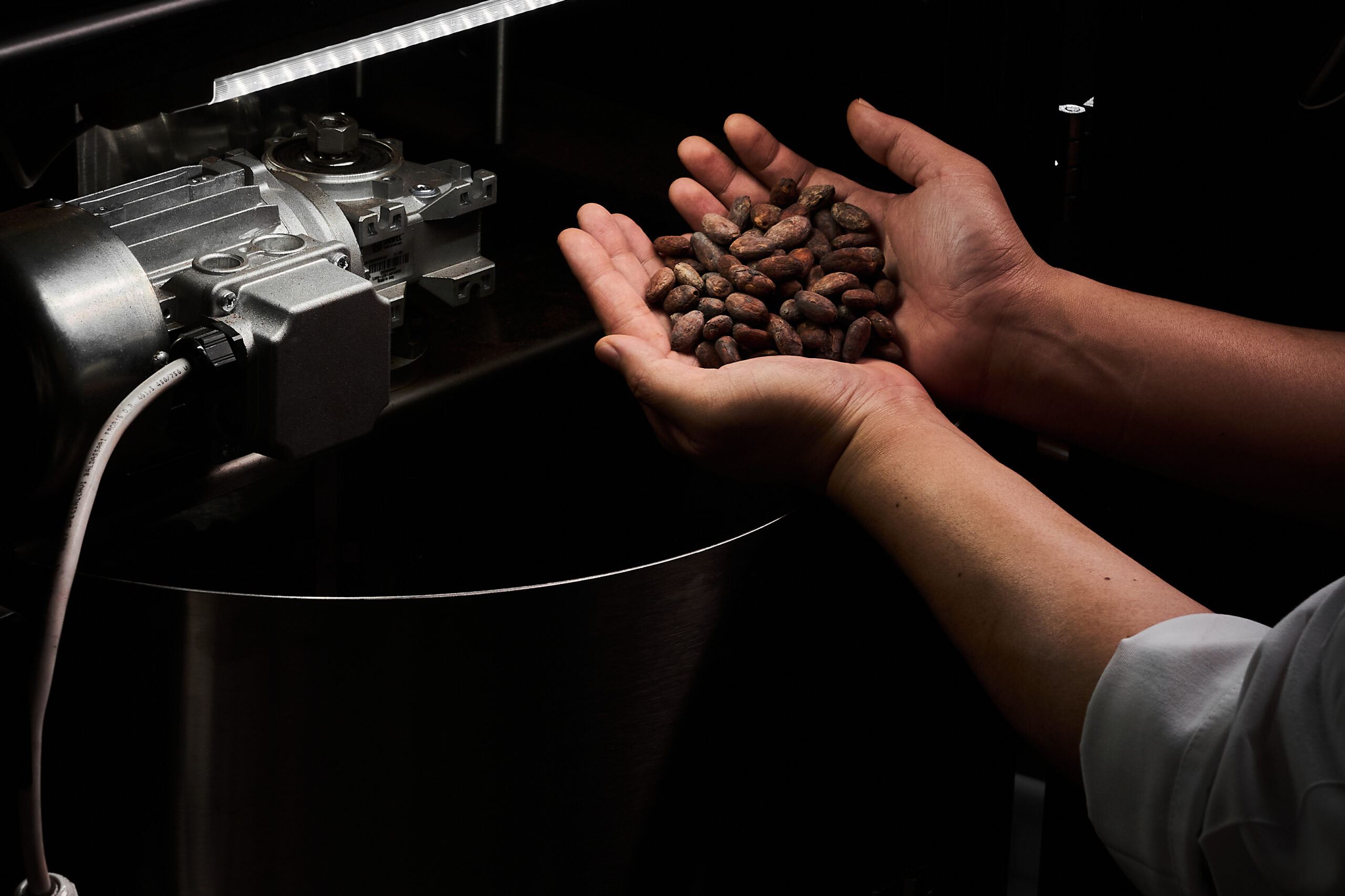
2-Day Chocolate Bean to Bar
This two-day course goes deeper into where chocolate comes from and how it behaves. Participants learn the history and science behind the bean-to-bar process covering origin, fermentation, roasting, and how these upstream decisions shape the flavour of the finished product. It bridges the gap between understanding chocolate as an ingredient and working with it as a craft material.
View class details → 2 Days Chocolate Bean to Bar
Course details
| Detail | Intensive Chocolate & Confectionery Arts |
| Duration | 2 days 14 hours |
| Suitable for | Amateurs, food enthusiasts, future professionals, career changers (min. age 18) |
| Certificate | Certificate of Completion by École Ducasse Nai Lert Bangkok |
Five Days That Change How You See Chocolate
Spread across five full days, 35 hours of practical kitchen time, it covers the full arc of chocolate confectionery from understanding the material to producing finished pieces ready for a professional setting.
What the programme covers
- Tempering techniques for consistent results across milk, dark, and white chocolate
- Ganache creation ratios, textures, and flavour development
- Pralines and nut-based confections
- Moulded bonbons and enrobing
- Presentation and display techniques
Classes are hands-on throughout. Each participant works directly at a station equipped to professional standards, with guidance from an École Ducasse Nai Lert Bangkok Studio chef instructor. Group sizes are deliberately kept small, so the experience is closer to a directed workshop than a large cooking class.
This chocolate class Bangkok is ideal for aspiring pastry chefs, entrepreneurs, and dedicated home bakers alike.
Course details
| Detail | Intensive Chocolate & Confectionery Arts |
| Duration | 5 days (Monday to Friday), 35 hours total |
| Suitable for | Amateurs, food enthusiasts, future professionals, career changers (min. age 18) |
| Certificate | Certificate of Completion by École Ducasse Nai Lert Bangkok |
This intensive programme is one of the most comprehensive chocolate course Bangkok options for anyone seeking professional chocolate training.
View full schedule and book → Intensive Chocolate & Confectionery Arts
Not Ready for Two Days or Five Days? Two Shorter Paths In
If you are new to chocolate work or want to explore the craft before committing to the full intensive, two shorter formats offer a different entry point. These shorter chocolate making class Bangkok options are ideal for beginners who want practical experience before progressing to advanced techniques.
1-Day All About Chocolate
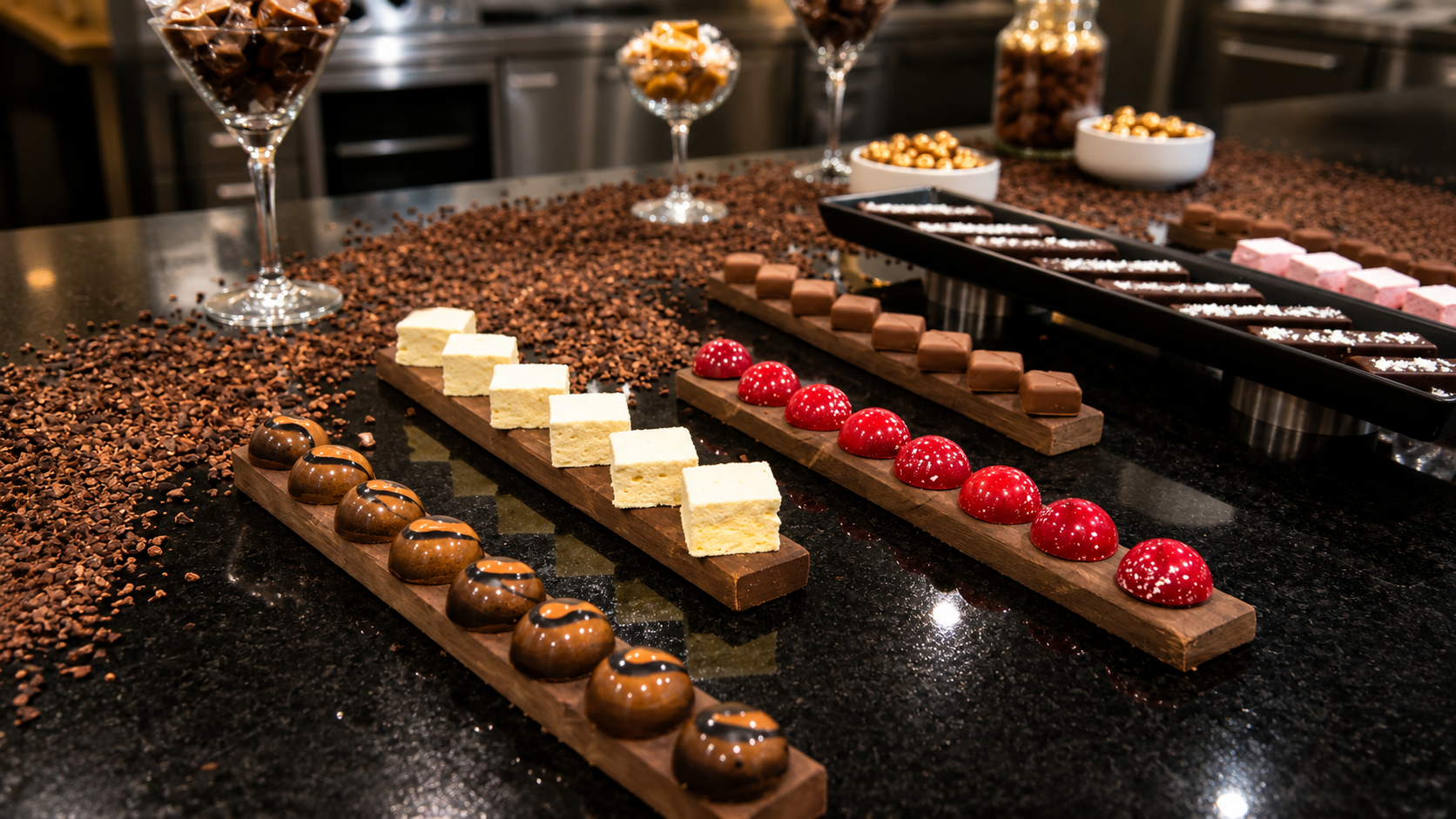
A single-session introduction designed for those who want their first real experience in a professional kitchen. In one day, participants make truffles, ganaches, and chocolate mendiants learning tempering basics and flavour customisation under chef guidance. It is a practical and enjoyable way to spend a day, and a clear step up from anything you would learn from a home tutorial.
View class details → 1 Day All About Chocolate
5 Things Every Chocolate Lover Should Know
1. Cacao and Cocoa Are Different
Although often used interchangeably, cacao refers to the raw bean, while cocoa is the roasted and processed form. Fermentation and roasting play a major role in developing chocolate’s flavour.
2. White Chocolate Isn’t Technically Chocolate
White chocolate contains cocoa butter but no cocoa solids, which give dark and milk chocolate their colour and chocolate flavour. That’s why it tastes sweeter and creamier.
3. Chocolate Melts at Body Temperature
Cocoa butter melts at around 34–38°C, allowing chocolate to melt smoothly in your mouth. In warm climates like Bangkok, temperature control is essential when working with chocolate.
4. White Marks on Chocolate Aren’t Mould
The white or grey coating sometimes seen on chocolate is called bloom. It happens when cocoa butter or sugar rises to the surface due to changes in temperature or humidity. It’s safe to eat but may affect appearance.
5. Tempering Creates Perfect Chocolate
Tempering is the process of carefully heating and cooling chocolate to create a smooth, glossy finish and a crisp snap. It’s one of the most important techniques used by professional chocolatiers.
The Kitchen Behind the Craft
At École Ducasse Nai Lert Bangkok Studio, students train in professional kitchens and a dedicated chocolate laboratory designed to the same standards as the school’s Paris campus. Guided by experienced chef instructors and inspired by the philosophy of Alain Ducasse, small class sizes ensure hands-on learning and personalised guidance throughout every workshop.
Dates, Schedules and How to Book
All three chocolate courses are offered multiple times throughout the year. Whether you are interested in the 1-day introduction, the 2-day Bean-to-Bar experience, or the 5-day Intensive Chocolate & Confectionery Arts programme, you can find upcoming dates and current availability on our website.
Booking is done directly through the website or via LINE Official Account (@ecoleducassebkk). Instalment options are available for the intensive programme contact the team via LINE for details.
Browse all upcoming dates → Course Calendar