


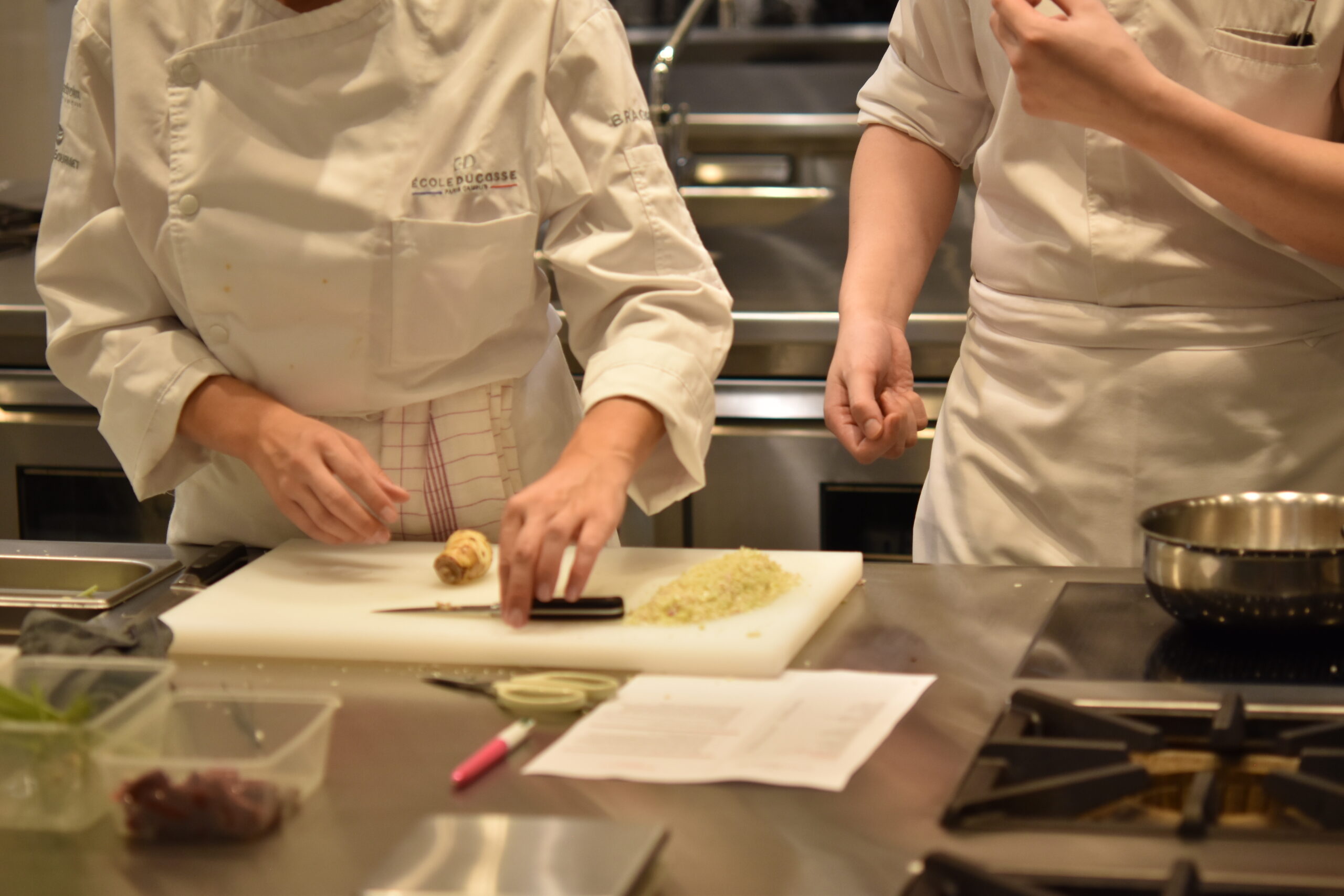
Most people think they know Thai food. They have eaten it hundreds of times, a favourite curry, a go-to noodle dish, a restaurant they return to again and again. But there is a significant distance between knowing how Thai food tastes and understanding how Thai food works and that distance is exactly what a serious Thai cooking class in Bangkok can close. The Intensive Thai Cuisine programme at École Ducasse Nai Lert Bangkok Studio is the only Alain Ducasse-certified cooking school in Southeast Asia dedicated to Thai cuisine. Recognised as a leading Thai cooking school Bangkok residents and international students trust, the programme is not designed to teach you recipes. It is designed to teach you the principles, the logic, the technique, and the cultural intelligence behind one of the world’s most complex and rewarding culinary traditions.
The Five Flavours That Govern Every Thai Dish
Before you touch a wok or a mortar in our Bangkok culinary school, you need to understand the framework that every Thai dish is built on. Thai cuisine is governed by five flavour dimensions: sweet, sour, salty, spicy, and umami. Unlike Western cooking, where dishes are often defined by one dominant flavour, Thai cooking demands that all five coexist in every bite and that none of them disappears. This is harder than it sounds. The balance shifts depending on the dish, the season, and the specific batch of ingredients you are working with that day. A green curry made with young galangal behaves differently from one made with mature galangal. A lime that is slightly overripe changes the acidity of a Tom Yum in ways that require real-time adjustment. In our professional Thai cooking class in Bangkok, you learn to taste with intention to identify which flavour dimension is out of balance, and to correct it with precision. This is the first and most important skill the programme builds, and it underpins everything that follows.
Top 5 Thai Dishes Foreign Visitors Love
- Pad Krapow (Thai Holy Basil Stir-Fry) – Thailand’s favourite everyday dish.
- Green Curry (Gaeng Keow Wan) – Thailand’s best-known curry.
- Tom Yum Goong – Thailand’s iconic hot and sour prawn soup.
- Som Tam – Thailand’s famous papaya salad.
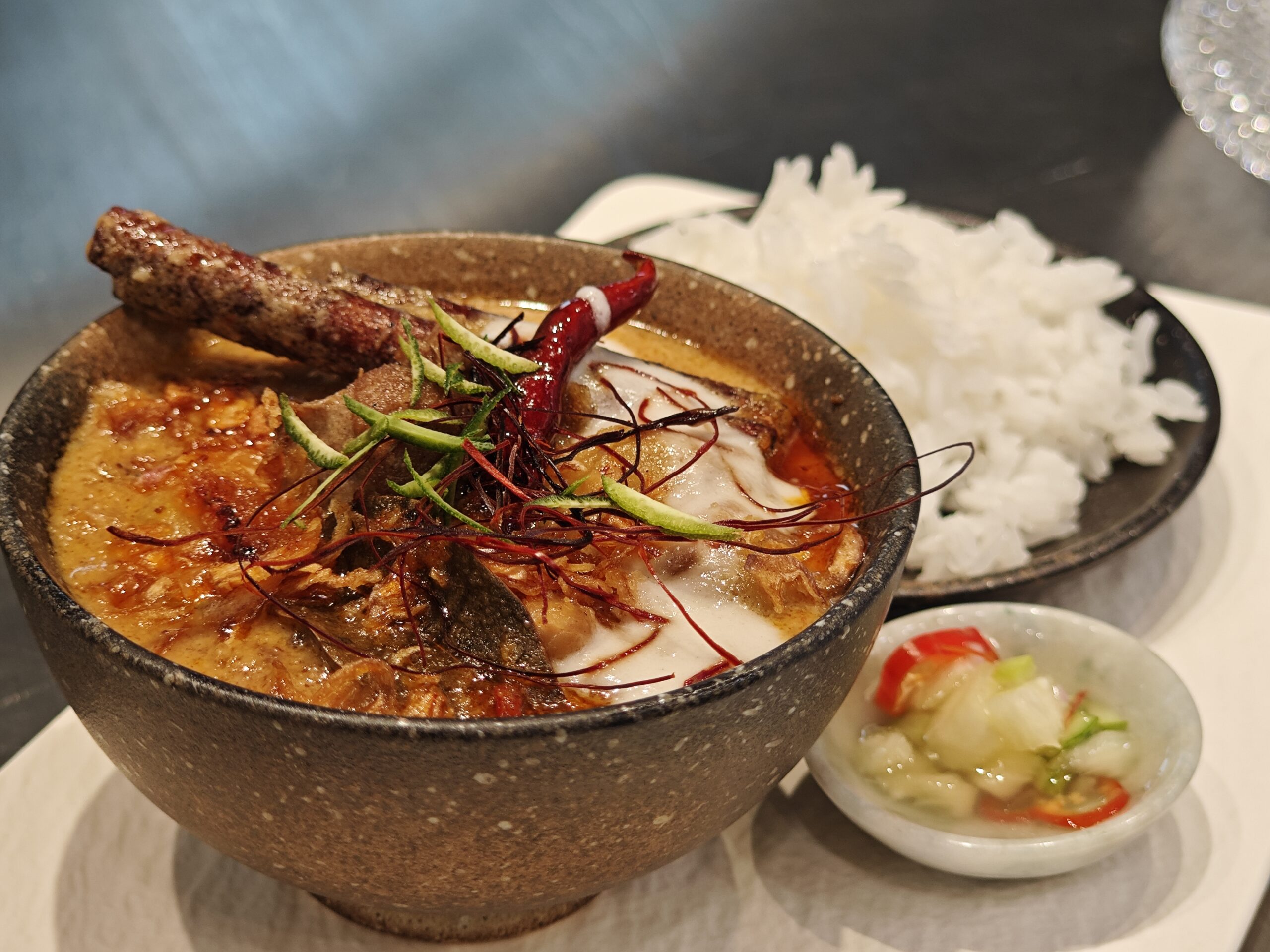
- Massaman Curry – A world-famous Thai curry with rich, aromatic flavours.
Why Fresh Curry Paste Changes Everything You Know About Thai Food
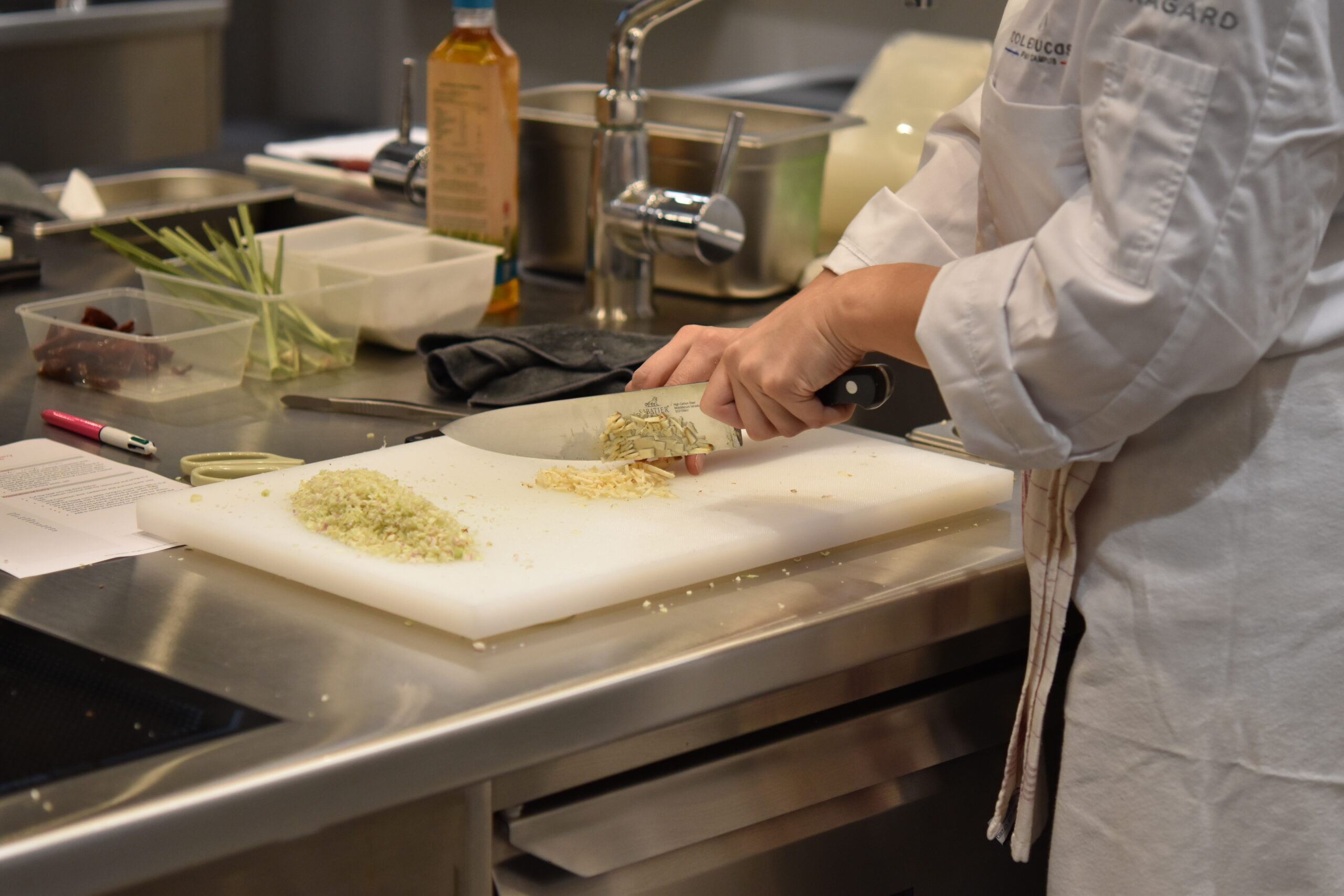
The single most transformative experience in the Intensive Thai Cuisine programme and arguably in any Thai cooking school in Bangkok is making curry paste from scratch for the first time. Commercial curry paste is a convenient product. It is not the same thing. The difference is not marginal, it is the difference between a photograph of a landscape and standing in it. Fresh paste, made by hand from galangal, lemongrass, kaffir lime zest, dried chillies, shrimp paste, and a precise ratio of aromatics, produces a depth of flavour and a fragrance that no manufactured product can approximate. Students learn to make green curry paste, red curry paste, massaman paste, and nam prik variations understanding not just what goes in, but why each ingredient is added at what stage of the pounding process, what texture to aim for, and how to adjust the balance based on the specific profile of the ingredients in hand. This knowledge transfers to every Thai dish you will ever make.
Lemongrass, Galangal, Kaffir Lime: Learning the Language of Thai Aromatics
One of the most common mistakes in Thai cooking even among experienced home cooks is treating aromatics as interchangeable or optional. They are neither. Each herb and aroma in Thai cuisine has a specific function, a specific moment, and a specific preparation method. This is a core part of what students learn when they study Thai cooking in Bangkok at a properly structured programme.
- Lemongrass – how to bruise versus slice versus pound it, and how each method releases a different aromatic profile
- Galangal – distinct from ginger in flavour and function; young versus mature and when to use each
- Kaffir lime leaf – the spine must be removed before cutting; fine chiffonade versus torn leaf versus whole leaf in infusions
- Coriander root – used almost exclusively in Thai cooking, rarely found in Western kitchens; its earthy depth anchors many pastes
- Thai basil versus holy basil – not interchangeable; each belongs to specific dishes and responds differently to heat
By the end of the programme, students can walk through a Bangkok market and read the ingredients with fluency knowing what each one is for, how to select it at the right stage of ripeness, and how to use it correctly. This market-reading ability is a hallmark of every serious Bangkok culinary school.
Six Cooking Methods: The Technical Range of Authentic Thai Cuisine
Thai cuisine is unusually broad in its technical demands. A single day in this hands-on Thai cooking programme may require mastering a wok-fried noodle dish in the morning, a slow-simmered curry at midday, a grilled protein with dipping sauce in the afternoon, and a salad assembled with precision timing so the acidity hits the greens at exactly the right moment before serving. Each cooking method has its own logic. Stir-frying over extreme heat requires a different mental model than simmering a massaman for two hours. Deep-frying to the correct texture is a skill that takes repetition to calibrate. Steaming fish wrapped in banana leaf is about timing, moisture, and aromatic layering simultaneously.
The programme covers boiling, grilling, steaming, stir-frying, deep-frying, and Thai salad preparation in full not as demonstrations to watch, but as techniques to practise under direct instructor guidance until the results are consistent and correct. This practical approach is one reason many students consider it the best cooking class Bangkok has to offer for serious learners.
Why École Ducasse Bangkok Teaches Thai Cuisine Differently from Other Cooking Schools
École Ducasse is built on a single principle: understanding why things work, not just what to do. Founded by Alain Ducasse, one of the most Michelin-starred chefs in history, this analytical rigour, applied to Thai cuisine, produces something different from the traditional apprenticeship model of watching and replicating. When students understand the science of flavour extraction why heat changes the aromatic compounds in lemongrass, why acid is added at the end of certain dishes rather than the beginning, why the fat content of coconut milk affects the texture of a curry they become capable of improvising, troubleshooting, and improving. No longer dependent on a recipe. Cooking from understanding. The small class format at École Ducasse Nai Lert Bangkok Studio means every participant receives direct, individual feedback throughout each session. This is what separates a world-class Thai cooking school in Bangkok from a group experience. The quality of instruction is personal, consistent, and calibrated to each student’s specific level.
Who Is This Intensive Thai Cooking Course for?
This programme is designed for anyone who wants to learn Thai cooking Bangkok professionals and enthusiasts value at a professional level not as a tourist souvenir, but as a genuine, lasting competency.
Our students include:
- Passionate home cooks who want to move beyond recipes and understand the cuisine deeply
- Food professionals seeking a certified qualification from an internationally recognised institution
- Expats based in Bangkok who want to master the cuisine of their adopted country
- Travellers who want more than a half-day experience who want real, transferable knowledge
No prior professional experience is required. What is required is genuine curiosity and a willingness to practise until the technique is right.
Intensive Thai Cuisine: Programme Details
| Programme Feature | Details |
| Duration | 5 days (Monday–Friday), 35 hours total |
| Class Format | Hands-on practical training |
| Class Size | Small groups |
| Certificate | Certificate of Completion |
| Language | English, with Thai and Chinese interpretation available |
| Location | École Ducasse Nai Lert Bangkok Studio, Bangkok |
| Skill Level | Beginner to Intermediate |
Students who successfully complete this intensive Thai cuisine programme receive a recognised certificate, making it an excellent option for those seeking certificate cooking Bangkok opportunities.
The Difference Between Eating Thai Food and Knowing It
Anyone can eat Thai food. Millions of people do, every day, with great pleasure. But the ability to reproduce it to understand flavour balance, build curry paste from scratch, and recognise when a dish needs more acidity or less heat is a completely different relationship with the cuisine. That is what this Thai cooking class Bangkok offers. Not a souvenir. Not a checklist of recipes. A genuine, lasting competency in one of the world’s great culinary traditions. Through five days of hands-on Thai cooking, students develop practical skills, technical confidence, and a deeper understanding of authentic Thai cuisine.
Whether you are looking to learn Thai cooking Bangkok style as a passionate home cook, enhance your professional culinary skills, or earn a recognised certificate cooking Bangkok programme, the Intensive Thai Cuisine course provides a structured and immersive learning experience. As the only Alain Ducasse-certified Thai cooking school Bangkok in Southeast Asia, École Ducasse Nai Lert Bangkok Studio combines world-class culinary education with authentic Thai culinary traditions, making it one of the best cooking class Bangkok experiences available today.
Enrol in the Intensive Thai Cuisine Programme
https://www.bangkok-ecoleducasse-studio.com/product/intensive-thai-cuisine/
École Ducasse Nai Lert Bangkok Studio
Nai Lert Park, Wireless Road, Bangkok +66 (0)61-416-2844