


French desserts hold a rare position in global food culture and are at the heart of French pastry, serving as both humble café staples and the benchmark against which serious pastry chefs measure their own skill. From a single flaky croissant to an elaborate multi-layer cake, French pastry is built on techniques refined over centuries, techniques that reward precision and punish shortcuts. What makes these French pastries so enduringly popular is not just flavor, but the balance of textures and the visible craftsmanship behind each one. Below are ten of the most beloved French desserts, the ones that appear on pastry counters from Paris to Bangkok, along with what makes each of them technically distinct.
Croissant
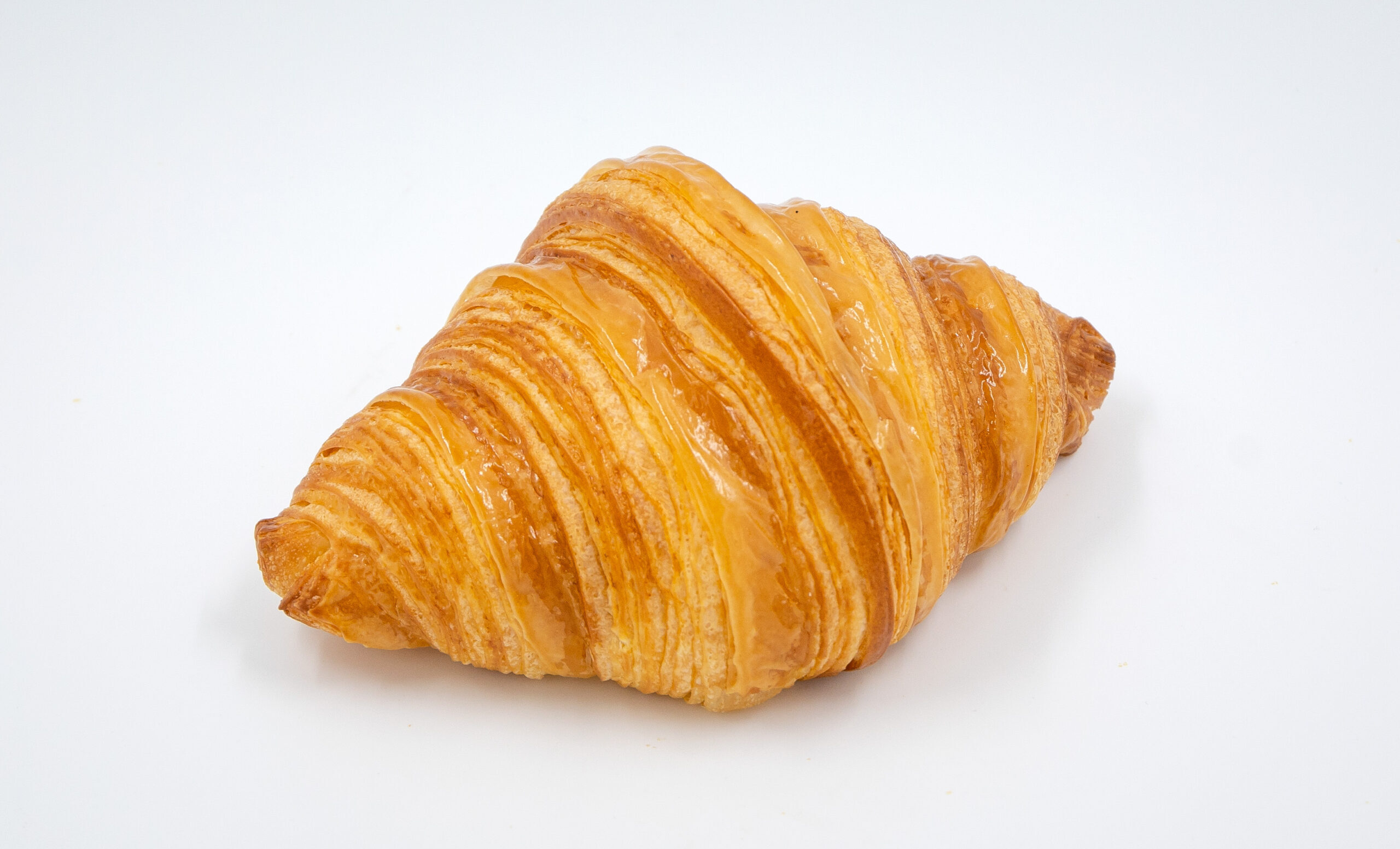
The croissant is arguably the most recognizable French pastry in the world, built entirely on the technique of lamination: folding layers of butter into dough again and again until baking produces dozens of paper-thin, flaky layers. A well-made croissant should shatter slightly at the first bite, with a light, airy interior and a deep, nutty flavor from properly browned butter and dough. Despite its simple appearance, consistency in a croissant separates a trained pastry hand from an amateur one. It is widely regarded as one of the finest examples of French pastry, requiring precision and patience to master.
Macaron
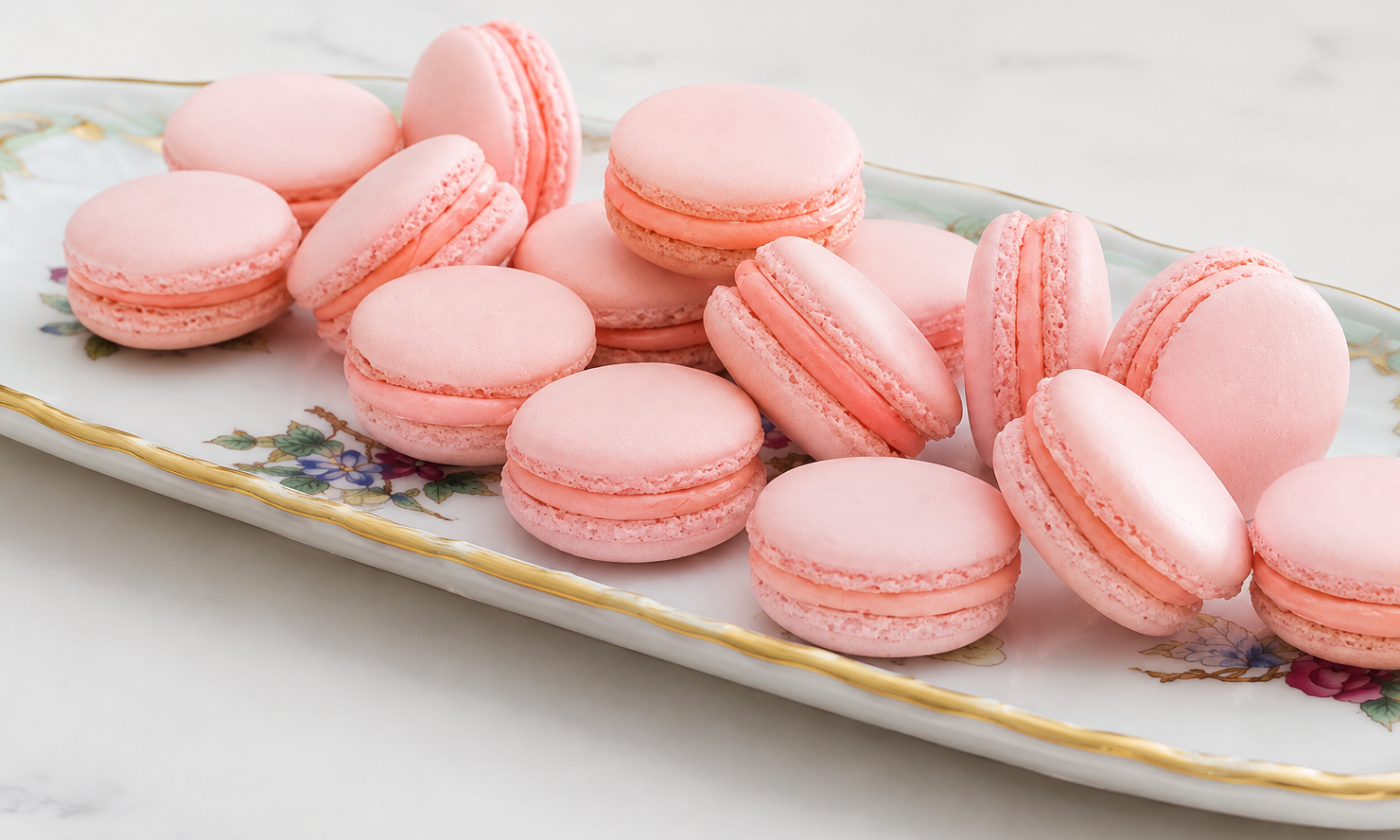
Delicate, colorful, and famously difficult to get right, the macaron is a sandwich cookie made from almond flour, egg whites, and sugar, with a smooth domed shell, a slightly crisp exterior, and a chewy interior known as the “foot.” Macarons are filled with anything from ganache to fruit curd, and their appeal lies as much in visual presentation as in flavor, making them a favorite for gifting and special occasions.
Éclair
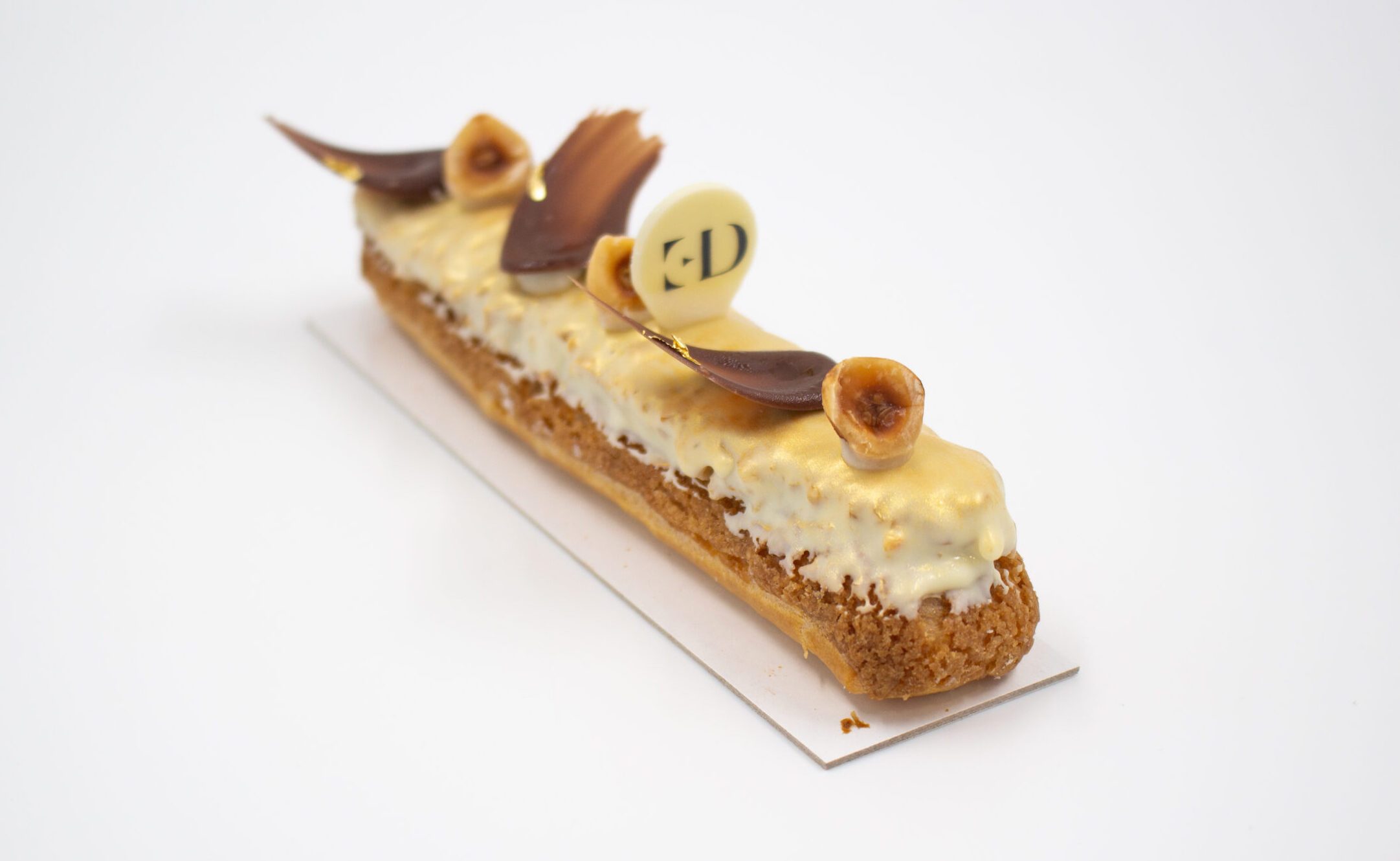
Made from choux pastry, the same base used for cream puffs, the éclair is piped into an elongated shape, baked until hollow and crisp, then filled with pastry cream and topped with a glossy layer of icing, most traditionally chocolate or coffee. The contrast between the crisp shell and the smooth, rich filling is what makes the éclair a lasting favorite in French bakeries. Today, the éclair remains one of the signature creations found in traditional French pastry shops around the world.
Crème Brûlée
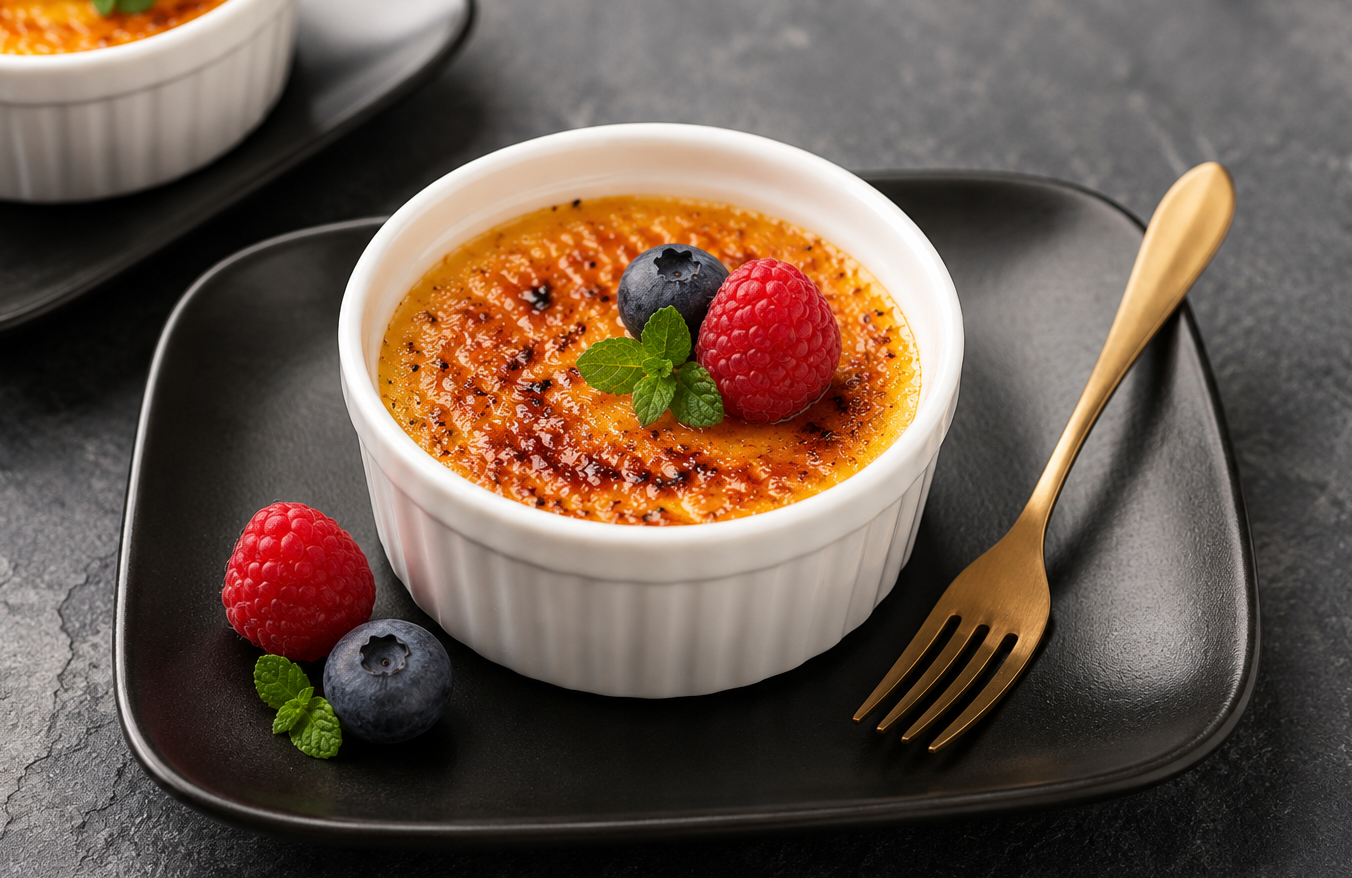
Crème brûlée is built on contrast: a silky, chilled vanilla custard beneath a thin, brittle layer of caramelized sugar, cracked open with the back of a spoon just before eating. Getting the custard to set without curdling, and the sugar topping to caramelize evenly without overcooking the cream beneath, requires careful control of heat and timing, which is part of why this simple-sounding dessert remains a genuine test of technique.
Tarte Tatin
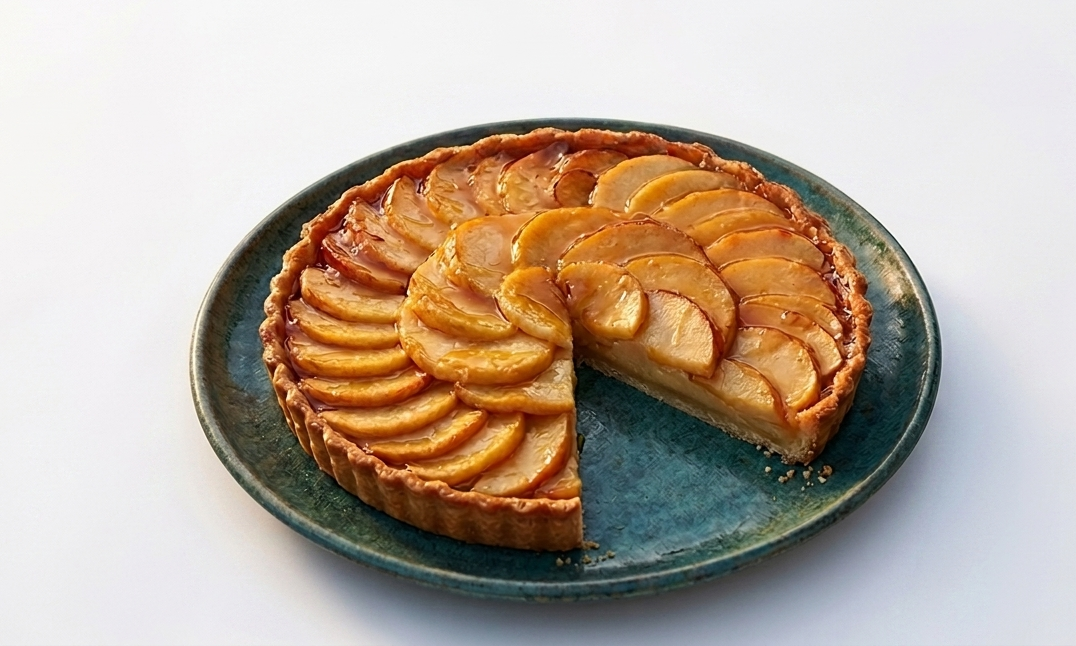
This upside-down caramelized apple tart originated, according to legend, from a kitchen mistake at the Hotel Tatin in the late 19th century. Apples are cooked in butter and sugar until deeply caramelized, then topped with pastry and baked, before the entire tart is flipped to reveal a glossy, amber apple layer on top. The technique of achieving even caramelization without burning is what distinguishes a well-executed tarte Tatin from an average one.
Mille-feuille
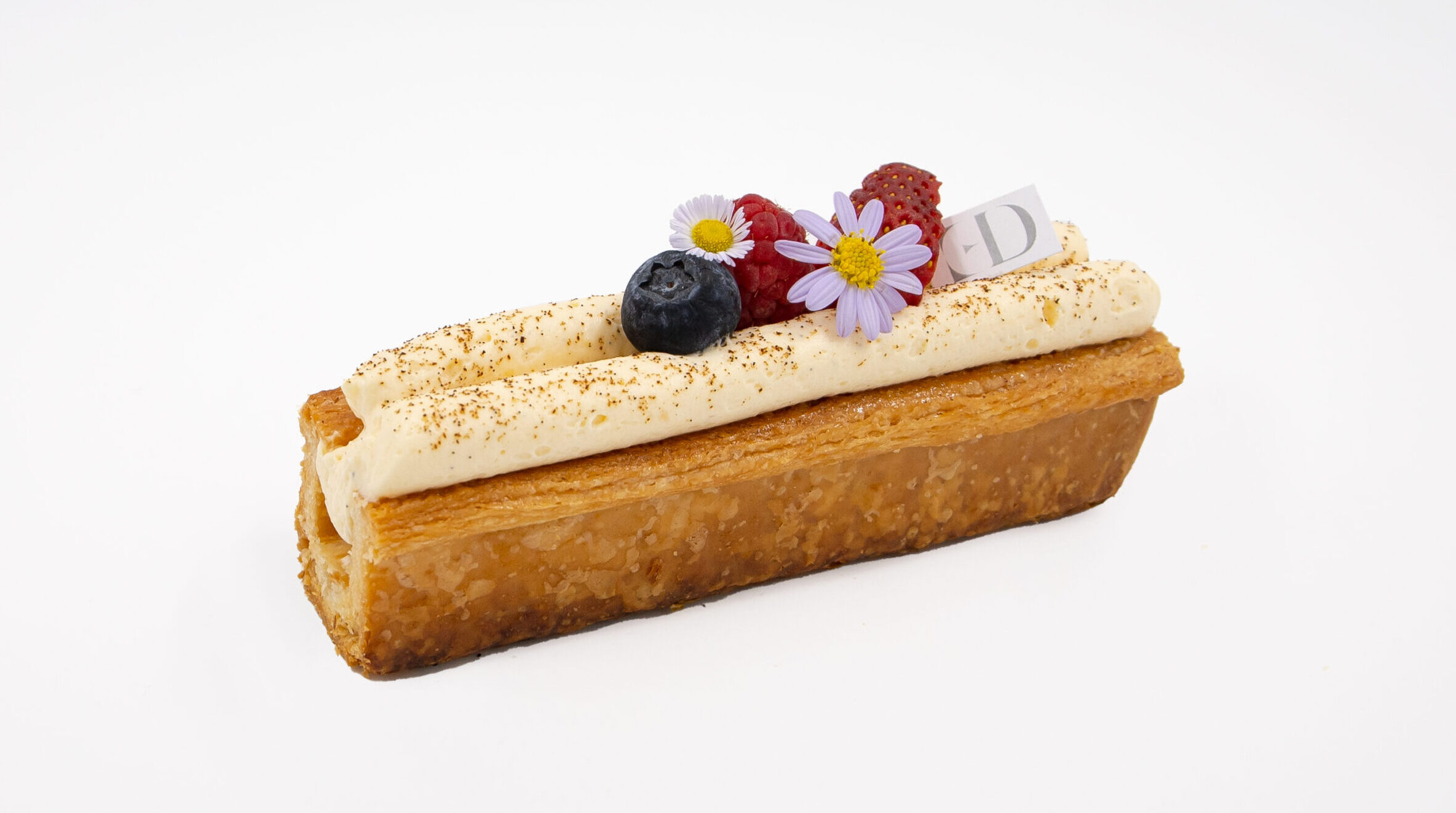
Known in English as the Napoleon, the mille-feuille layers crisp puff pastry with smooth pastry cream, finished with a striped fondant or a simple dusting of powdered sugar on top. Its name, meaning “a thousand leaves,” refers to the many delicate layers created through the same lamination principles used in croissant dough. Cutting a mille-feuille cleanly, without crushing its fragile layers, is considered one of the harder finishing skills in French pastry.
Madeleine
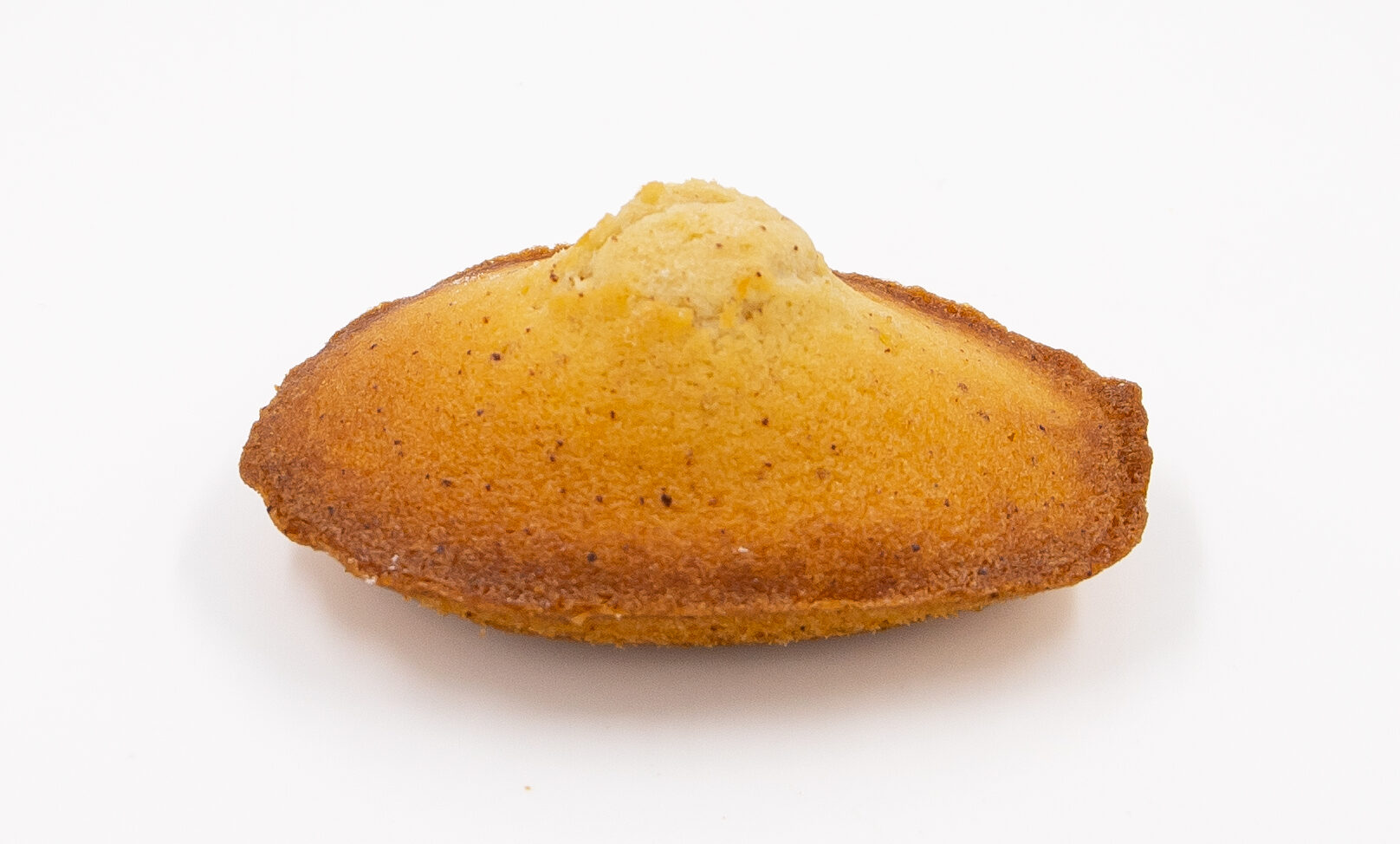
Small, shell-shaped sponge cakes, madeleines are known for their distinctive hump, a slightly domed rise on top that signals a well-made batch. Buttery and light, with a texture somewhere between a cake and a cookie, madeleines are traditionally flavored with lemon zest or vanilla and are often associated with Marcel Proust’s writing, which helped cement their place in French cultural memory.
Profiteroles
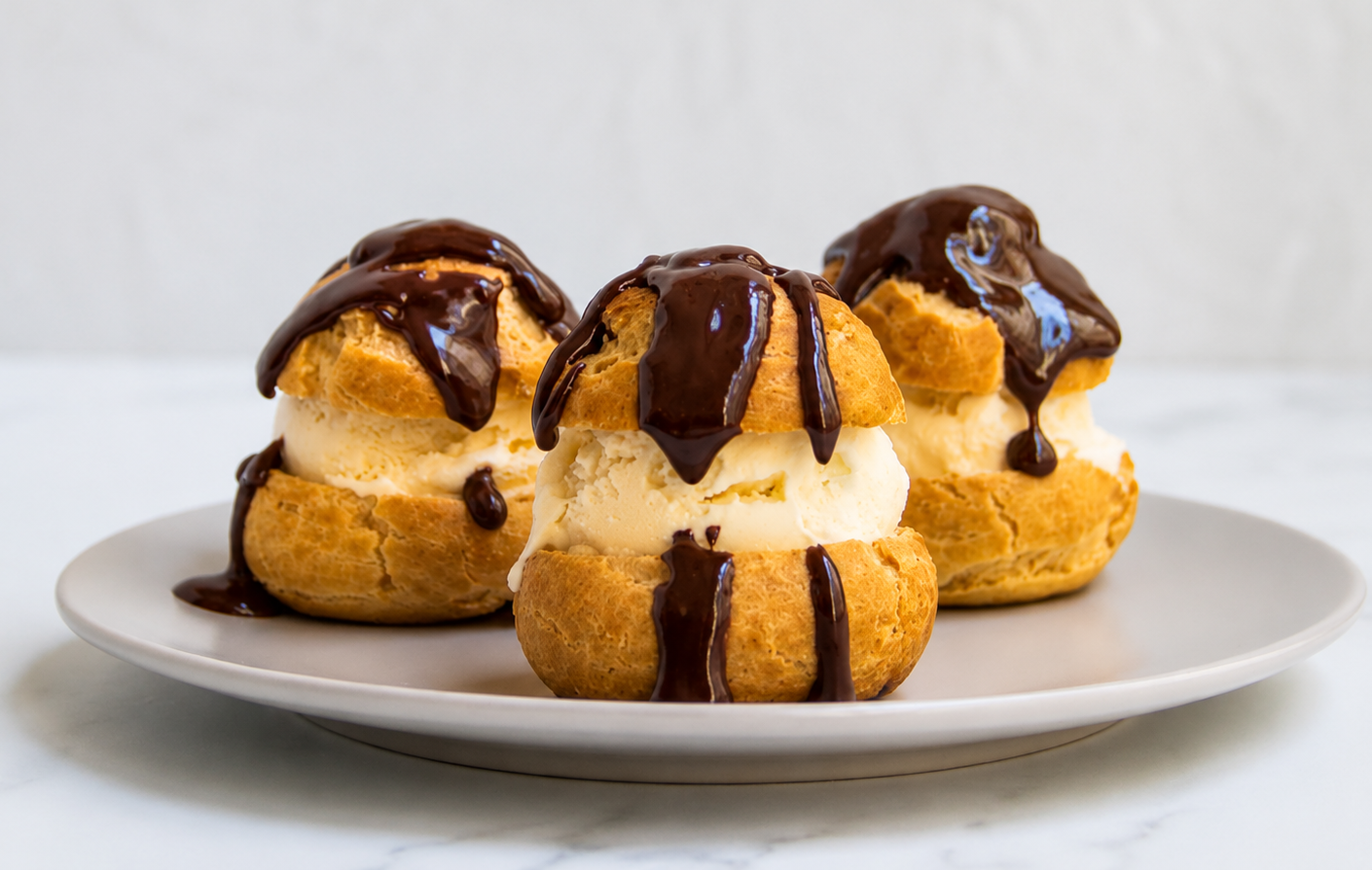
Another choux pastry creation, profiteroles are small round puffs filled with ice cream or pastry cream and typically served drizzled with warm chocolate sauce. The appeal is largely textural: a crisp, airy shell giving way to a cold, creamy filling, brought together by the warm sauce poured just before serving.
Opéra Cake
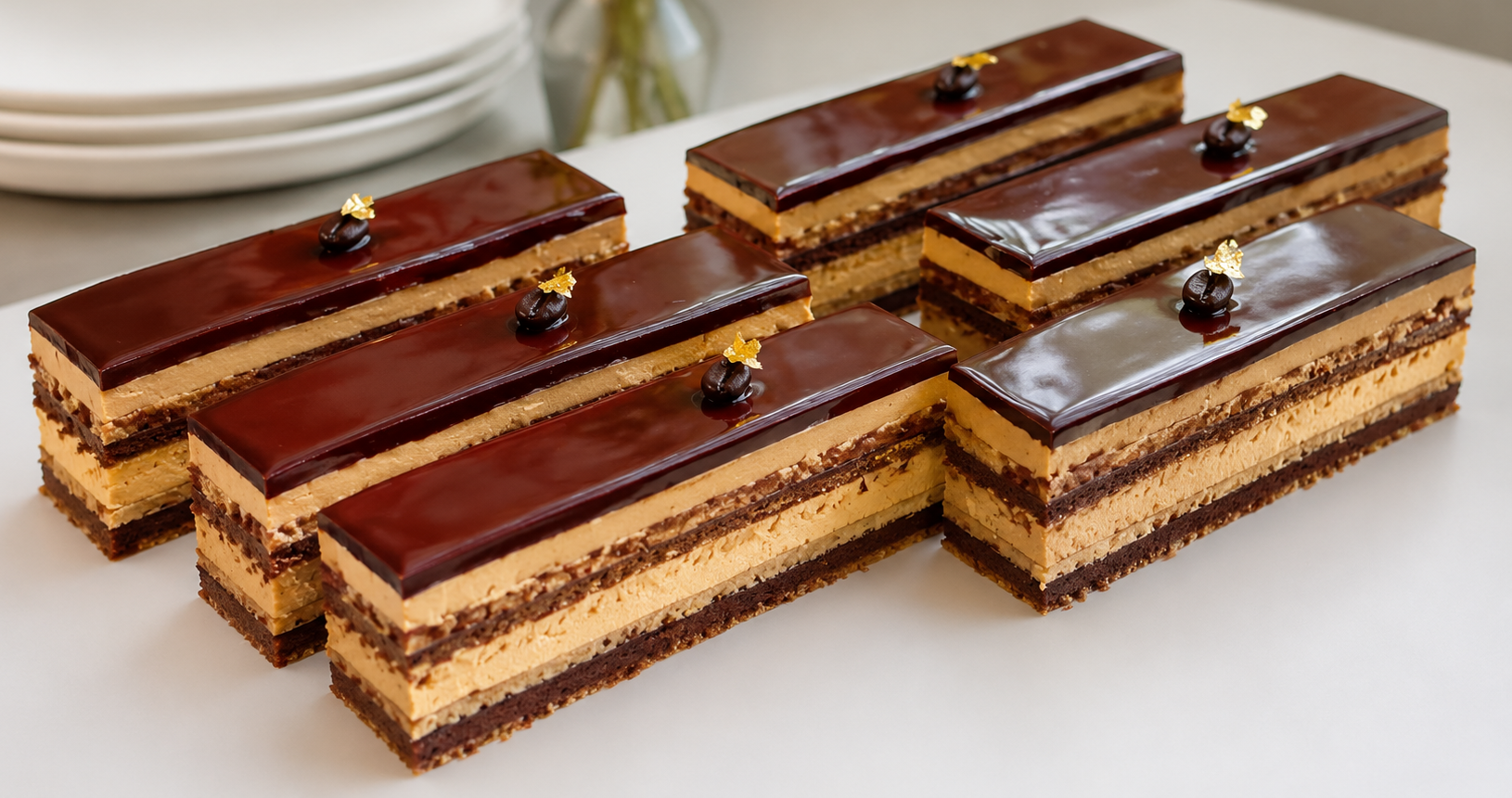
The opéra cake is a precise, multi-layered construction of almond sponge soaked in coffee syrup, alternating with layers of coffee buttercream and dark chocolate ganache, finished with a mirror-glaze chocolate top. Every layer must be thin, even, and level, making the opéra cake one of the more demanding classic cakes to assemble correctly, and a genuine showcase of a pastry chef’s precision. It represents the precision and elegance for which French pastry is internationally celebrated.
Soufflé
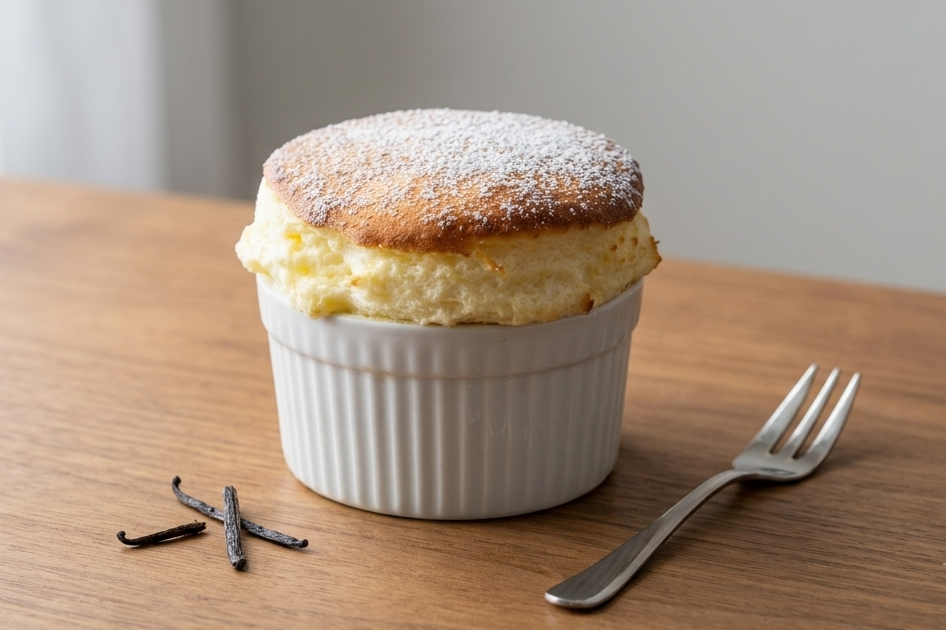
Perhaps the most famously temperamental of all French desserts, the soufflé rises through whipped egg whites folded into a flavored base, then baked until it puffs dramatically above the rim of its dish. Timing is everything: a soufflé must be served the moment it leaves the oven, before it begins to deflate, which is why it has become something of a symbol for pastry work that demands both skill and split-second execution.
Whether enjoyed in Paris or while exploring the French pastry scene in Bangkok, these desserts continue to showcase the artistry of French pastry.
Learning to Make These Desserts at a Professional Level in Bangkok
Master authentic French pastry techniques with the French Pastry Course at École Ducasse Nai Lert Bangkok Studio. Learn doughs, creams, glazes, and plated desserts through hands-on training in small classes.
Take your baking skills to the next level.
Website: https://www.bangkok-ecoleducasse-studio.com/
LINE: @ecoleducassebkk